
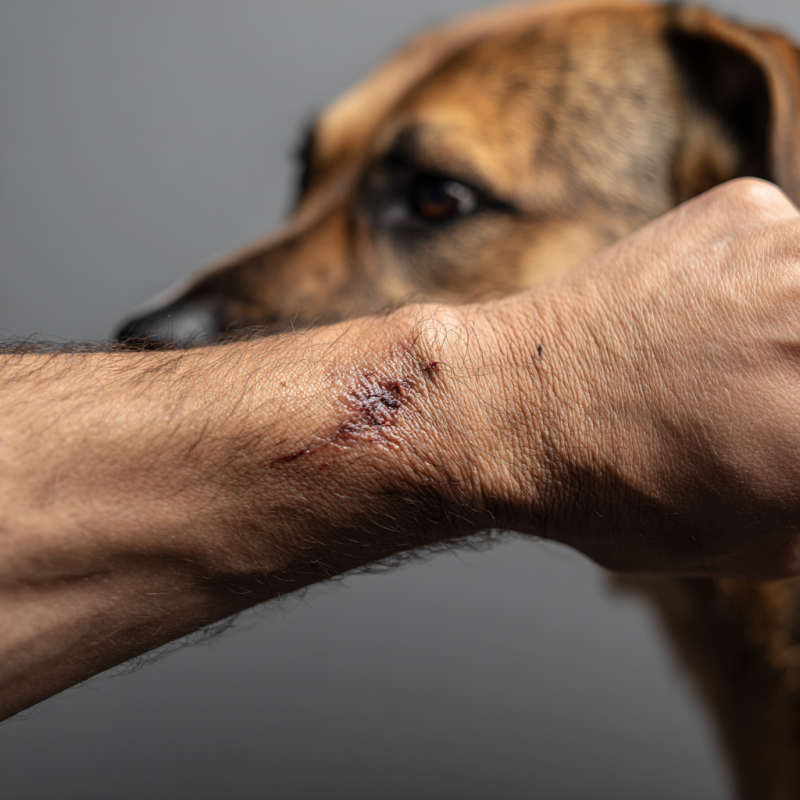
This guide is for South Carolina residents who have been injured in a dog attack and need to understand their legal options. Many victims are unsure how liability works or what compensation they may be entitled to under dog bite attorney South Carolina law. You will learn how strict liability applies, what damages you can claim, and how to move forward with a case.
Understanding South Carolina Dog Bite Law
South Carolina applies a strict liability rule in most dog bite cases, meaning a dog owner can be held legally responsible for injuries caused by their dog even if the animal had never shown prior aggression or dangerous behavior. This shifts the focus away from proving the owner’s knowledge of the dog’s temperament and instead centers on what actually happened during the incident.
Under the South Carolina dog bite statute, liability generally applies when a dog bites or attacks a person who is lawfully present on public or private property. This includes situations where the victim is an invited guest, a customer, or otherwise legally allowed to be on the premises. Unlike in some states that require proof the owner knew the dog was dangerous, South Carolina law does not typically require showing prior warning signs or a history of aggression.
Even though this legal framework can make claims more straightforward, evidence still plays a major role in proving the circumstances of the attack, the extent of injuries, and the resulting damages. Proper documentation, witness statements, and medical records can all influence how a claim is evaluated. For a broader context on how these cases fit within injury law, reviewing a personal injury claim process guide can help explain how liability claims are typically developed and resolved.
What Strict Liability Means for Your Case
Strict liability in South Carolina dog bite cases shifts the focus away from the dog’s history or the owner’s negligence and centers on what happened during the incident itself.
To establish liability, you generally need to show:
- The dog directly caused your injury through a bite or attack, supported by medical and factual evidence
- You were lawfully on the property or in a public space at the time of the incident
- The injury resulted in measurable damages such as medical bills, lost income, or pain and suffering
This structure removes the need to prove negligence in many cases, but defenses still exist. Insurance companies often argue that the victim provoked the dog, was trespassing, or contributed to the incident in some way, which can affect the outcome of the claim.
Because of these challenges, working with a dog bite attorney South Carolina residents trust can help ensure evidence is properly documented, defenses are addressed, and the claim is presented effectively.
Common Injuries From Dog Attacks
Dog bites often result in more than surface-level injuries. Many cases involve long-term physical and emotional effects.
Physical Injuries
These include puncture wounds, deep lacerations, nerve damage, and infections such as rabies or tetanus. Severe cases may require surgery or long-term rehabilitation.
Emotional and Psychological Impact
Victims, especially children, may develop anxiety, PTSD, or a long-term fear of animals. These impacts can be included as part of a damages claim.
Scarring and Disfigurement
Permanent scars, especially on visible areas like the face or hands, often increase the value of a claim due to lasting impact on quality of life.
In serious cases, injuries may qualify under catastrophic injury claims when they result in permanent impairment.
Who Can Be Held Liable?
Liability in dog bite cases is typically straightforward but can involve multiple parties depending on the situation.
- Dog owner: The primary party responsible under strict liability laws
- Property owner: May be liable if they allowed a dangerous dog on the premises
- Landlords: In some cases, if they were aware of a dangerous animal and failed to act
In situations involving unsafe environments or lack of control measures, liability can overlap with premises liability cases.
Understanding all potentially liable parties is critical for maximizing compensation.
Defenses Used in Dog Bite Cases
Even though South Carolina applies strict liability in many dog bite cases, defendants and insurance companies can still raise several legal defenses to reduce or eliminate responsibility. These defenses focus on the victim’s actions, location, and level of contribution to the incident rather than the dog’s history.
Provocation
If the victim provoked the dog through actions such as hitting, teasing, or threatening behavior, the owner may argue that the victim caused or contributed to the attack. If proven, this can reduce or potentially eliminate liability depending on the circumstances.
Trespassing
If the injured person was unlawfully on the property at the time of the incident, the dog owner may not be fully responsible. Legal protection is generally stronger for individuals who are lawfully present, such as invited guests or customers.
Comparative Negligence
South Carolina follows a modified comparative negligence rule, meaning if the victim is found partially at fault, their compensation is reduced by their percentage of fault. If the victim is 50% or more responsible, recovery may be barred entirely.
These defenses show why strong evidence, clear documentation, and effective legal strategy are still essential even in strict liability cases.
What Damages Can You Recover?
Dog bite claims in South Carolina may include different categories of compensation depending on the severity of the injuries, the recovery process, and the long-term impact on the victim’s life. The goal of damages is to compensate both the financial losses and the physical and emotional effects caused by the attack.
Economic Damages
These are measurable financial losses directly tied to the injury. They may include medical expenses such as emergency treatment, hospital stays, surgeries, medication, and follow-up care. Victims may also recover lost wages if they are unable to work during recovery, as well as compensation for reduced earning capacity if the injury affects their ability to return to their previous job. Rehabilitation costs, including physical therapy or long-term medical treatment, may also be included.
Non-Economic Damages
These damages compensate for the more subjective, personal impact of the injury. This includes physical pain and suffering, emotional distress such as anxiety or trauma after the attack, and loss of enjoyment of life when injuries limit normal daily activities, hobbies, or lifestyle.
Long-Term or Severe Damages
In more serious cases involving permanent scarring, disfigurement, or disability, compensation may be significantly higher due to the lasting impact on the victim’s quality of life. In tragic cases where a dog attack results in death, surviving family members may pursue wrongful death claims to recover damages related to loss of financial support, companionship, and funeral expenses.
Each category requires proper documentation and valuation to ensure fair recovery.
Steps to Take After a Dog Bite in South Carolina
Taking the right steps immediately after a dog bite is important for both your health and any potential legal claim, as early actions often determine how strong your case will be later.
- Seek medical attention as soon as possible to properly treat the injury, prevent infection, and create medical records that clearly document the extent and timing of your injuries.
- Report the incident to local authorities or animal control so there is an official record of the attack, which can also help identify the dog’s vaccination and ownership history.
- Take clear photos of your injuries, the location where the attack happened, and the dog if it can be done safely, since visual evidence can strongly support your version of events.
- Collect contact information from any witnesses who saw the incident, as their statements may help confirm what happened and strengthen your claim.
- Avoid discussing fault or making detailed statements to the dog owner or insurance companies, since early comments can sometimes be used to dispute or reduce your claim.
These steps help preserve critical evidence, support medical documentation, and improve your ability to pursue fair compensation.
Statute of Limitations for Dog Bite Claims
South Carolina law generally allows three years from the date of the injury to file a personal injury claim.
Failing to file within this period typically results in losing your right to compensation. Certain exceptions may apply, such as cases involving minors, but timelines remain strict.
Understanding this deadline is critical when planning your legal strategy.
How Dog Bite Cases Intersect With Other Injury Claims
Dog bite cases often overlap with broader personal injury claims because liability can extend beyond the dog owner depending on the circumstances. For example:
- If the attack occurred in a public or commercial setting, it may involve premises liability and property safety issues, especially if unsafe conditions or foreseeable risks were not addressed
- If a vehicle was involved in the incident, liability could extend to vehicle-related injury claims depending on how the incident occurred and who had control
- If security failures contributed to the attack, it may connect to negligent security claims where inadequate protection or supervision played a role
This overlap makes it important to evaluate all contributing factors early to determine liability and responsible parties.
Applying Dog Bite Attorney South Carolina Law to Your Case
Every case depends on how the specific facts align with South Carolina’s strict liability framework for dog bite claims and the defenses that may still apply. In many dog bite attorney South Carolina cases, success often turns on proving the victim was lawfully present on the property and clearly documenting the extent and cause of the injuries, since these details directly affect liability and damages.
Insurance companies often try to limit compensation by disputing who was at fault or arguing that the injuries are less severe than claimed. They may also question whether the incident meets the legal requirements for liability or attempt to shift responsibility onto the victim. Because of this, strong evidence such as medical records, photographs of injuries, witness statements, and incident reports can play a critical role in strengthening a claim and supporting fair valuation of damages.
Getting an early legal evaluation can make a significant difference because it helps clarify potential defenses, preserve key evidence, and determine the strongest strategy for moving forward with a claim.
Protect Your Rights After a Dog Bite in South Carolina
If you have been injured, understanding your legal options is the first step toward recovery. Dog bite attorney south carolina cases require careful evaluation of liability, damages, and timelines.
Discuss your situation with a legal professional who understands state-specific laws and claim strategies. Start by reaching out through the contact page to explore your options.
Frequently Asked Questions
1. What is the South Carolina dog bite statute?
The South Carolina dog bite statute imposes strict liability on dog owners when their dog bites or attacks someone lawfully on public or private property. This means the victim does not need to prove prior aggression or negligence. The law focuses on the incident itself rather than the dog’s history. Exceptions may apply in cases involving trespassing or provocation.
2. Can I sue if a dog did not bite but caused injury?
Yes, you may still have a claim if a dog caused injury without biting, such as knocking you down. These cases often rely more on negligence rather than strict liability. Evidence showing lack of control or unsafe conditions becomes critical. The legal approach may differ depending on the circumstances.
3. How much is a dog bite case worth in South Carolina?
The value of a case depends on medical costs, severity of injuries, and long-term impact. Minor injuries may result in smaller settlements, while severe injuries involving surgery or permanent scarring can significantly increase compensation. Non-economic damages like emotional trauma are also considered. Each case requires detailed evaluation.
4. What if the dog owner does not have insurance?
If the dog owner lacks insurance, recovering compensation may be more complex. You may need to pursue the owner’s personal assets or explore other liable parties, such as landlords. Legal strategy becomes critical in these situations. An attorney can help identify alternative recovery options.
5. Are dog owners always liable in South Carolina?
Dog owners are generally liable under strict liability laws, but exceptions exist. If the victim provoked the dog or was trespassing, liability may be reduced or denied. Comparative negligence may also apply. Each case depends on the specific facts and evidence presented.
Key Takeaways
- South Carolina applies strict liability, meaning owners can be responsible even without prior incidents
- Victims must prove lawful presence and actual damages to recover compensation
- The statute of limitations is typically three years from the date of injury
- Compensation includes medical costs, lost income, and emotional damages
- Defenses such as provocation and trespassing can impact claim outcomes