
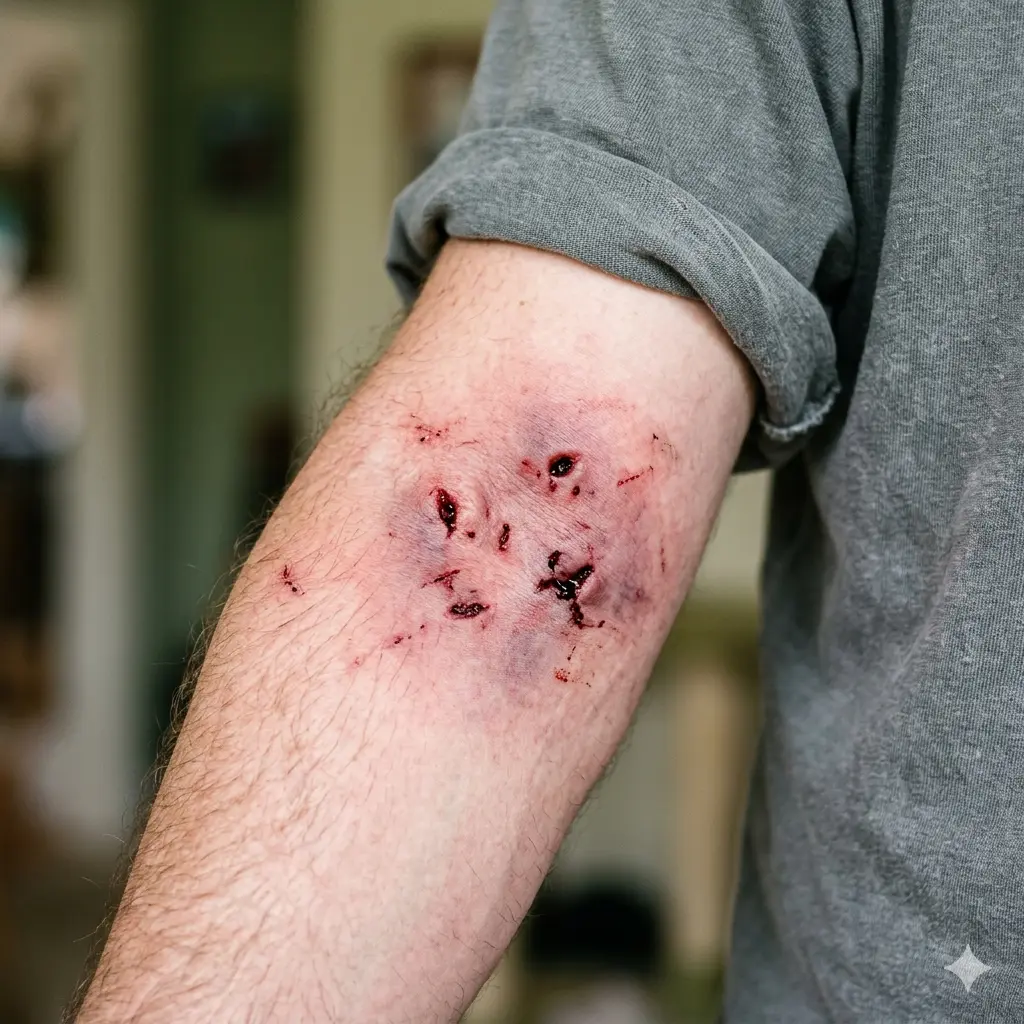
This guide is for South Carolina residents who have been injured in a dog attack and want to understand their legal rights. Many victims are unsure how liability works under south carolina dog bite law or whether they can recover compensation. You will learn how the statute applies, what exceptions exist, and what steps to take after an incident.
What Is South Carolina Dog Bite Law?
South Carolina dog bite law is based on a strict liability statute. This means a dog owner can be held responsible for injuries caused by their dog, even if the dog has never bitten anyone before. The law applies when a person is bitten or attacked while lawfully on public or private property. Unlike negligence-based claims, victims do not need to prove the owner knew the dog was dangerous.
This legal framework simplifies many cases, but it does not guarantee automatic compensation. Evidence and proper legal positioning still matter. For a broader overview, reviewing a personal injury claim guide helps explain how these cases are pursued.
How Strict Liability Works in Plain Terms
Strict liability focuses on the incident, not the dog’s history.
To bring a valid claim, you generally need to show:
- The dog caused your injury through a bite or attack
- You were legally allowed to be where the incident occurred
- You suffered measurable harm such as medical expenses or lost income
This structure removes the need to prove negligence, but it does not eliminate defenses. Insurance companies often analyze the circumstances closely to reduce liability.
Understanding how this standard works is key when evaluating your case or speaking with a dog bite attorney.
Situations Where the Law Applies
The statute covers a wide range of real-world scenarios.
Public Spaces
Dog attacks in parks, sidewalks, or streets are typically covered as long as the victim was lawfully present.
Private Property
You may still have a claim if bitten while visiting someone’s home or business, provided you had permission to be there.
Rental or Commercial Properties
In some cases, landlords or property managers may share liability if they knew about a dangerous dog and failed to act. This can overlap with premises liability claims.
Each scenario requires evaluating who had control over the dog and the environment.
Common Defenses in Dog Bite Cases
Even with strict liability, dog owners can raise defenses that may affect your claim.
Provocation
If the victim provoked the dog through actions like hitting or teasing, the owner’s liability may be reduced.
Trespassing
If the injured person was unlawfully on the property, the statute may not apply.
Comparative Negligence
South Carolina uses a modified comparative negligence rule. If you are partially at fault, your compensation is reduced based on your percentage of responsibility.
These defenses often become central issues in negotiations with insurance companies.
What Compensation Can Victims Recover?
Dog bite cases can include both financial and non-financial damages.
Medical Costs
This includes emergency treatment, hospital stays, surgeries, and follow-up care.
Lost Income
If your injuries prevent you from working, you may recover lost wages or reduced earning capacity.
Pain and Emotional Impact
Dog attacks often lead to trauma, anxiety, or long-term psychological effects, especially in children.
Long-Term Damage
Severe injuries such as permanent scarring or nerve damage can significantly increase the value of a claim. In extreme cases, injuries may fall under catastrophic injury claims.
Fatal incidents may result in wrongful death claims filed by surviving family members.
What to Do Immediately After a Dog Bite
Taking the right steps early can protect your health and strengthen your claim.
- Seek medical care immediately, even for minor wounds
- Report the incident to local authorities or animal control
- Document injuries with photos and keep medical records
- Identify the dog owner and gather witness information
- Avoid discussing fault with insurance representatives
These actions help preserve evidence and establish a clear record of the incident.
Time Limits for Filing a Claim
In South Carolina, the statute of limitations for dog bite cases is generally three years from the date of injury.
If you miss this deadline, you may lose your ability to pursue compensation. Cases involving minors or government entities may follow different timelines, so early evaluation is important.
How Dog Bite Law Connects to Other Injury Claims
Dog bite cases often intersect with other areas of personal injury law.
- If the attack involves unsafe property conditions, it may connect to premises liability
- If a vehicle is involved, claims may extend to vehicle-related injury cases
- If security failures contributed, liability may involve negligent security claims
This overlap highlights the importance of evaluating all contributing factors.
Applying South Carolina Dog Bite Law to Your Situation
Each case depends on how the facts align with the statute and available defenses, as South Carolina dog bite law focuses on lawful presence, injury documentation, and the circumstances of the attack. Insurance companies often attempt to reduce payouts by questioning liability or minimizing damages, so strong documentation and early legal guidance can improve your position. Understanding your rights is the first step toward building a claim.
Take Action After a Dog Bite in South Carolina
If you were injured, taking the next step quickly can make a significant difference in your case. South carolina dog bite law provides a clear path for recovery, but timing and evidence matter.
Get clarity on your situation and explore your legal options by reaching out through the contact page.
Frequently Asked Questions
1. Does South Carolina follow a one-bite rule?
No, South Carolina does not follow a one-bite rule. The state uses strict liability, meaning the owner can be responsible even if the dog has never bitten anyone before. This makes it easier for victims to pursue claims. The focus is on the incident rather than the dog’s history.
2. Can I file a claim if I was bitten at a friend’s house?
Yes, you can file a claim if you were lawfully on the property. Being invited as a guest generally qualifies under the statute. The dog owner may still be held responsible under strict liability. Homeowners insurance often covers these claims.
3. What if the dog did not bite but caused injury?
You may still have a claim if a dog caused injury without biting, such as knocking you down. These cases often rely on negligence rather than strict liability. Evidence of lack of control becomes important. The legal approach depends on the facts.
4. How long do I have to file a dog bite claim?
You typically have three years from the date of the injury to file a claim. Missing this deadline can prevent you from recovering compensation. Some exceptions apply, but they are limited. Acting early helps protect your rights.
5. Can I recover damages for emotional trauma?
Yes, emotional trauma is considered a non-economic damage in dog bite cases. Conditions like anxiety or PTSD may be included in your claim. Medical documentation strengthens this part of the case. Compensation varies based on severity.
Key Takeaways
- South Carolina uses strict liability, meaning owners can be responsible without prior incidents
- Victims must prove lawful presence and actual damages to recover compensation
- The statute of limitations is generally three years from the date of injury
- Compensation includes medical costs, lost income, and emotional damages
- Defenses like provocation and trespassing can affect the outcome of a claim