
This page is for South Carolina families who have lost someone due to another party’s negligence and are considering legal action. A wrongful death attorney in South Carolina can explain your rights, who may file a claim, and what damages are available. After reading this, you’ll understand the statute, the damages you may pursue, and how an attorney in South Carolina builds and pursues a wrongful death case.
Understanding South Carolina Wrongful Death Claims with a Wrongful Death Attorney South Carolina
South Carolina’s wrongful death statute is codified at SC Code § 15-51-10. It gives qualifying family members the right to file a civil lawsuit when a person dies as a direct result of another party’s wrongful act, neglect, or default. The law requires proving the same foundational elements as a personal injury claim: that the defendant owed the deceased a duty of care, that duty was breached, and the breach directly caused the death.
The claim is brought by the personal representative of the deceased’s estate, but the recovery belongs to the surviving family members, not the estate itself. That distinction matters practically because it affects how the proceeds are distributed and how the case is structured legally.
The statute of limitations for wrongful death claims in South Carolina is three years from the date of death. That deadline is separate from any statute of limitations that might apply to an underlying personal injury event. If someone was injured in a crash and died six months later from those injuries, the three-year clock starts from the date of death, not the date of the crash.
South Carolina also has a survival action statute at SC Code § 15-5-90, which allows the estate to recover damages the deceased personally suffered between the time of injury and time of death. These two claims, wrongful death and survival action, are frequently filed together because they cover different periods and different categories of loss.
Who Can File a Wrongful Death Claim in South Carolina
Not every family member has an automatic right to file. South Carolina law establishes a specific order of eligible claimants, and understanding where you fall within that structure matters before any legal strategy is developed.
The right to recover belongs first to the surviving spouse and children of the deceased. If there is no surviving spouse or children, the claim passes to the deceased’s parents. If neither spouse, children, nor parents survive, the claim passes to the heirs of the deceased as defined under SC intestacy law.
Several points within this structure create practical complexity for families. When a deceased person leaves behind both a spouse and adult children from a prior relationship, disputes over how the recovery is distributed are not uncommon. When parents lose an unmarried adult child with no children of their own, the parents hold the claim directly. When the deceased was a minor child, the parents file both as personal representatives and as the primary beneficiaries.
The personal representative who brings the suit is appointed through the probate court. If no estate has been opened, that step must occur before the wrongful death action can proceed. An attorney handles that process as part of the overall case management, which is one of several reasons early legal involvement matters in these cases.
The Most Common Causes of Wrongful Death Claims in SC
Wrongful death claims in South Carolina arise from the same categories of negligence that produce serious personal injury cases, with the critical distinction that the victim did not survive. The legal framework for proving fault is the same; the damages available are different and typically larger because they extend over the lifetime the deceased would have lived.
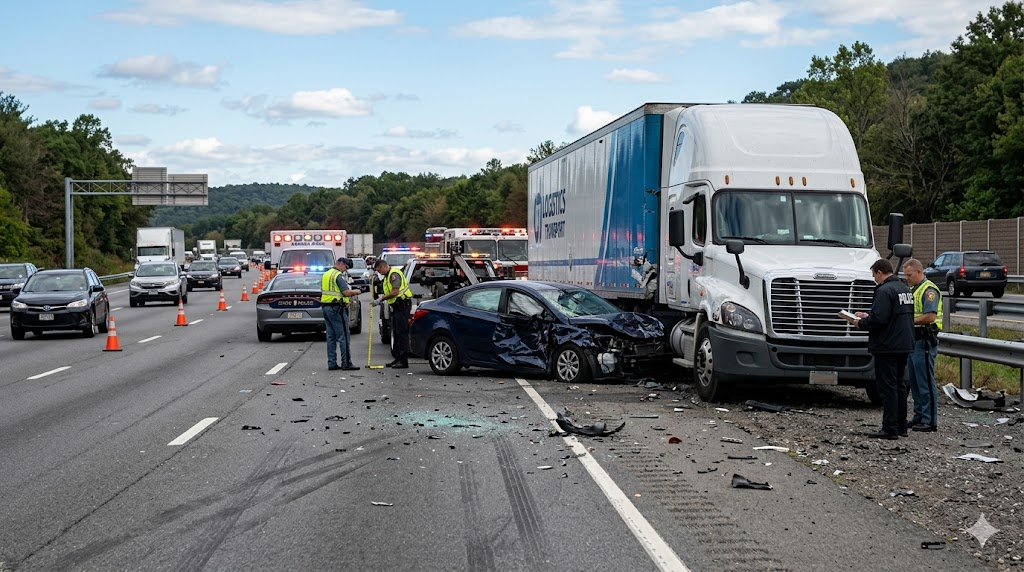
The most frequently litigated wrongful death cases in South Carolina involve traffic fatalities, including crashes caused by distracted drivers, drunk drivers, and commercial truck accidents. Drunk driving accident cases that result in death are among the most common contexts where punitive damages are pursued in SC wrongful death litigation, because the conduct meets the willful and wanton standard required for punitive awards.
Workplace fatalities involving third-party negligence are another significant category. When a worker dies on a job site because of a defective machine, a contractor’s unsafe practices, or a property owner’s failure to maintain safe conditions, the family may have both a workers’ comp death benefit claim and a separate wrongful death action against the third party. Premises liability cases involving fatal injuries on unsafe property follow the same negligence standard as any other premises claim, with the wrongful death statute layered on top.
Medical negligence, nursing home abuse, and fatal dog attacks each produce wrongful death claims as well. Nursing home abuse cases that result in a resident’s death carry a particularly high evidentiary burden because the institutional defendant typically controls most of the relevant records, making early legal preservation demands critical.
What Damages a Wrongful Death Claim Can Recover in SC
South Carolina’s wrongful death statute allows surviving family members to recover both economic and non-economic damages. The full scope of available recovery is broader than many families realize when they first consult an attorney.
Economic damages in a wrongful death claim include:
- The financial support the deceased would have provided to the family over their expected remaining working life, calculated using actuarial tables and vocational evidence
- The monetary value of household services the deceased performed, including childcare, maintenance, and caregiving
- Medical expenses incurred between the time of injury and death, which are typically recovered through the parallel survival action
- Funeral and burial expenses
Non-economic damages cover the losses that don’t appear on any bill:
- The mental anguish and grief experienced by surviving family members
- Loss of the deceased’s companionship, guidance, and society
- In cases involving minor children who lost a parent, or parents who lost a child, courts have recognized the depth and longevity of non-economic harm in determining damage awards
South Carolina does not impose a statutory cap on non-economic damages in most wrongful death cases. That absence of a cap is meaningful when the deceased was young, the relationship to surviving family members was close, and the non-economic losses are substantial and documentable.
Punitive damages are available in wrongful death cases where the defendant’s conduct was willful, wanton, or reckless. A drunk driver who kills someone in a crash, a nursing home that deliberately understaffed its facility despite known risks, or a property owner who ignored documented hazards for months before a fatal incident each potentially face punitive exposure on top of compensatory damages.
How the Survival Action Works Alongside Wrongful Death
The survival action under SC Code § 15-5-90 is a separate legal vehicle that runs parallel to the wrongful death claim. Where the wrongful death statute compensates the surviving family for their losses going forward, the survival action compensates the estate for what the deceased personally endured from the moment of injury until death.
Survival action damages typically include the deceased’s medical expenses from injury to death, any lost wages during that period, and most significantly, the deceased’s own pain and suffering during the interval between the injury event and the time of death. When a person survives for hours, days, or weeks after a traumatic event before dying, the survival action damages for that period of conscious suffering can be substantial.
Both claims are filed together by the personal representative, and both require the same foundational proof of negligence. Managing them as coordinated claims rather than treating them as separate matters produces better outcomes for the family as a whole.
How South Carolina Handles Fault in Wrongful Death Cases
South Carolina’s modified comparative fault rule applies to wrongful death claims the same way it applies to personal injury cases. If the deceased is found partially at fault for the incident that caused their death, the family’s recovery is reduced by that percentage. At 51% or more fault attributed to the deceased, recovery is barred entirely.
This structure creates an incentive for defendants and their insurers to argue that the deceased was partly or primarily responsible for what happened. A truck company will argue the deceased driver was speeding. A property owner will argue the deceased was warned about the hazard. A drunk driver’s insurer will argue the deceased had some role in the collision. Anticipating those arguments and building evidence to counter them from the outset is part of what a wrongful death attorney does from the first day of investigation.
What a Wrongful Death Attorney Does for Your Family
The practical work of a wrongful death case begins immediately and runs against real time constraints. Evidence degrades quickly. Vehicles get repaired or crushed. Surveillance footage cycles over. Witnesses disperse. Electronic data from vehicles, phones, and facility logs must be formally preserved through legal demand before it disappears.
Attorney Thomas Conits at Spartan Law handles wrongful death cases across South Carolina, representing families from the initial investigation through negotiation and, when necessary, litigation before a jury. He works on a contingency basis, meaning no legal fees are owed unless the case is resolved successfully. Families dealing with the immediate demands of loss should not have to carry the additional burden of hourly legal costs.
The full legal framework that governs negligence claims in South Carolina, including the four elements of duty, breach, causation, and damages that every wrongful death claim must establish, is covered in detail on the South Carolina personal injury guide. That same framework applies in full to wrongful death litigation.
For families facing catastrophic losses where the deceased was a primary earner or caregiver, the damages calculation requires expert analysis of lifetime earning capacity, actuarial projections, and long-term dependency losses. The catastrophic injury page covers how those damage models work in the most serious cases.
Taking the Next Step After an Unbearable Loss
Consulting a wrongful death attorney in South Carolina does not mean committing to years of litigation. It means getting accurate information about whether a claim exists, what it could recover, and what pursuing it realistically involves before making any decision. Most families find that an initial consultation clarifies their options significantly, even when the immediate priority is simply getting through each day.
The three-year statute of limitations under SC Code § 15-51-10 creates a legal deadline, but the practical case for acting promptly runs deeper. The first weeks after a wrongful death are the most valuable window for evidence preservation, witness contact, and securing records that defendants will later attempt to limit access to. Time spent waiting is not neutral; it actively affects the strength of what can be built.
Speak With a South Carolina Wrongful Death Attorney at No Cost
If you’ve lost a family member in South Carolina due to someone else’s negligence, Spartan Law offers a free, no-obligation consultation. Attorney Thomas Conits will listen to the facts of your situation, assess whether a wrongful death claim exists, and explain exactly what pursuing it would involve before you make any commitment.
Request your free case review or call 864-777-1000. There are no upfront fees, and you pay nothing unless your case is won.
Frequently Asked Questions
1. Who has the right to file a wrongful death lawsuit in South Carolina?
Under SC Code § 15-51-10, a wrongful death claim is filed by the deceased’s personal representative. Recovery goes to surviving family members in order: spouse and children first, then parents, and finally heirs under SC intestacy law. Distribution disputes, common in blended families, are handled through probate or civil court.
2. What is the difference between a wrongful death claim and a survival action in South Carolina?
A wrongful death claim compensates surviving family members for lost support, companionship, and grief, while a survival action under SC Code § 15-5-90 compensates the deceased’s estate for pain, medical expenses, and lost wages between injury and death, with both claims filed together by the personal representative but covering different timeframes and losses.
3. Can punitive damages be recovered in a South Carolina wrongful death case?
Punitive damages in South Carolina wrongful death cases apply when the defendant acted willfully, wantonly, or recklessly, such as in drunk driving, intentional acts, or knowingly ignoring serious safety risks, and are intended to punish and deter, with no cap in most cases, though proving them requires a higher evidentiary standard than negligence.
4. How is the value of a wrongful death claim calculated in South Carolina?
Economic damages in South Carolina wrongful death cases are based on the deceased’s age, occupation, earnings, and life expectancy, often calculated with vocational or economic experts, while non-economic damages, including grief, loss of companionship, and mental anguish, are assessed by the jury without a statutory cap, reflecting the nature of the family’s loss.
5. What if the deceased was partially at fault for the accident that caused their death?
In South Carolina wrongful death cases, the modified comparative fault rule reduces the family’s recovery by the deceased’s fault percentage, barring recovery entirely if the deceased is 51% or more at fault, making accurate early documentation crucial to counter defense strategies.
6. How long does a South Carolina wrongful death case take to resolve?
Wrongful death cases in South Carolina can settle in 6 to 18 months with clear liability, but complex cases with disputed fault, multiple defendants, or expert damage analysis often take 2 to 4 years, as probate filings, discovery, expert reports, and negotiations or trials extend the timeline.
Key Takeaways
- South Carolina’s wrongful death statute (SC Code § 15-51-10) allows family members to pursue civil damages when a loved one dies due to another’s negligence; the three-year statute of limitations runs from the date of death.
- Filing priority goes to surviving spouse and children, then parents, then heirs; the personal representative files the claim, but recovery belongs to the family.
- A parallel survival action under SC Code § 15-5-90 recovers the deceased’s pain, medical costs, and lost wages from the time of injury to death, and is filed alongside the wrongful death claim by the personal representative.
- Non-economic damages in SC wrongful death cases are uncapped, covering grief, loss of companionship, and mental anguish amounts determined by the jury based on the nature and depth of the family’s loss.
- Punitive damages apply in SC wrongful death cases where conduct was willful, wanton, or reckless, including drunk driving fatalities, and carry no statutory cap in most cases.
- South Carolina’s modified comparative fault rule reduces recovery if the deceased shares fault; early evidence collection is critical to counter inflated fault claims.