
Your Freedom Matters. Get Answers. Seek Accountability. If you were wrongfully detained or unlawfully restrained, you deserve answers about what happened and whether your rights were violated.
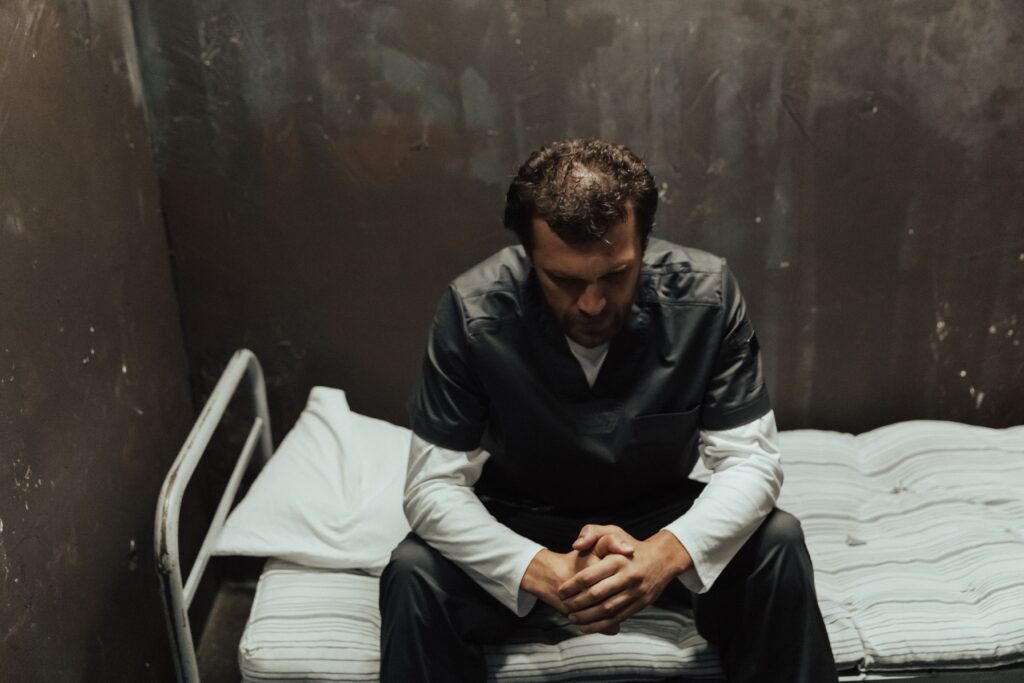
If you’re searching for a False Imprisonment Lawyer South Carolina residents trust, you may be dealing with more than frustration and confusion.
You may be struggling with emotional distress, reputational harm, loss of liberty, and unanswered questions about why you were unlawfully detained.
No one should have their freedom taken away without legal justification.
Whether the incident involved security guard misconduct, police misconduct, unlawful detention by an employer, wrongful confinement in a healthcare setting, or another form of unlawful restraint, you deserve answers.
My name is Thomas Spiro Conits, founder of Spartan Law.
When you call my office, you’ll speak directly with me—not a case manager, call center, or middleman.
I’ll listen to your story, explain your rights, and help you understand your legal options.
You focus on moving forward.
False imprisonment claims involve complex questions regarding personal freedom, civil rights, and legal authority.
Not every detention is lawful.
When someone intentionally restricts your freedom without legal justification or consent, South Carolina law may provide a path to accountability and compensation.
As a False Imprisonment Attorney South Carolina residents can call directly, Thomas helps clients investigate what happened and pursue claims against responsible parties.
Spartan Law represents clients throughout:
• Greenville
• Spartanburg
• Columbia
• Charleston
• Myrtle Beach
• Rock Hill
• Florence
• Anderson
• Laurens
False imprisonment cases often involve powerful institutions, employers, healthcare facilities, security companies, or individuals attempting to justify conduct that violated another person’s rights.
Early legal guidance can help preserve evidence and protect your ability to pursue a claim.

False imprisonment occurs when a person is intentionally confined, restrained, or detained against their will without lawful authority.
The detention does not necessarily require physical force.
A person may be unlawfully restrained through threats, intimidation, abuse of authority, or actions that make them reasonably believe they are not free to leave.
Individuals may be held liable when they unlawfully detain another person without legal authority.
Retail stores, shopping centers, and private businesses sometimes detain customers without proper justification.
Security personnel may exceed their authority and unlawfully restrict a person’s freedom.
A person may be restrained against their will even without physical force.
Hospitals, nursing homes, and treatment facilities may face liability when individuals are improperly confined.
Private citizens generally do not have unlimited authority to detain others.
Employers may face liability when employees are unlawfully confined or coerced into remaining in a location.
Residents deserve dignity, freedom, and lawful treatment.
The defendant intentionally confined or restrained the individual.
The detention occurred without the victim’s voluntary consent.
The person responsible lacked lawful justification for the confinement.
The detention caused measurable harm, emotional distress, or other damages.
Every case is different.
Depending on the circumstances, compensation may include:
Many victims experience anxiety, humiliation, fear, embarrassment, and psychological trauma following unlawful detention.
Compensation may reflect the loss of personal freedom, autonomy, and dignity.
Wrongful detention can damage personal relationships, professional opportunities, and public reputation.
Lost wages, missed employment opportunities, and other economic damages may be recoverable.
Counseling, therapy, and mental health treatment expenses may be included in a claim.
Depending on the facts of the case, additional compensation may be available under South Carolina law.
Every false imprisonment claim presents unique circumstances, and Thomas can help evaluate the damages that may apply to your situation.
Strong cases are built on evidence.
Thomas works to gather and evaluate:
Video evidence may establish the circumstances of the detention and whether the restraint was lawful.
Witnesses can help verify what occurred and provide important context.
Emails, reports, internal communications, and company records may reveal critical information.
Official documentation often helps establish timelines, actions taken, and responsibility.
Mental health professionals may help demonstrate emotional trauma, psychological injuries, and other damages.
You’ll work directly with Thomas Conits throughout your case.
Your case deserves more than a file number.
Located at 100 Williams Street, Greenville, SC, Spartan Law serves clients throughout South Carolina.
False imprisonment claims often require detailed fact gathering and careful legal analysis.
You pay no attorney fees upfront.
Spartan Law only collects a fee if compensation is recovered pursuant to a written fee agreement.
Helping accident victims pursue compensation for medical expenses, lost wages, and other damages.

Helping injured workers pursue benefits and protect their legal rights.
Representing families seeking justice after the loss of a loved one caused by negligence.

False imprisonment generally occurs when someone intentionally restrains or confines another person without legal authority or consent.
Possibly. Physical force is not always required. Threats, intimidation, or abuse of authority may support a claim depending on the circumstances.
South Carolina law generally imposes filing deadlines. Speaking with Thomas promptly can help protect your rights.
Compensation may include emotional distress, loss of liberty, reputational harm, financial losses, and other damages depending on the facts of the case.
Your consultation is free. There are no attorney fees unless compensation is recovered.