
When a preventable crash changes everything, talk to Thomas. Spartan Law helps South Carolina injury victims pursue compensation after accidents caused by drunk and impaired drivers.

If you’ve been injured by a drunk driver, you may be facing medical bills, lost income, pain, and uncertainty about what comes next.
A Drunk Driving & DUI Accident Lawyer South Carolina can help you understand your legal options and pursue compensation for the losses you’ve suffered.
At Spartan Law, attorney Thomas Spiro Conits represents injury victims across South Carolina who have been harmed by drunk or drug-impaired drivers. When you call, you’ll talk directly with Thomas, not a case manager or call center.
He’ll listen to your story, explain your options, and fight like hell for you while you focus on healing.
Your consultation is free, and you pay no attorney fees unless compensation is recovered for your case.
Every car accident is serious, but crashes involving impaired drivers often involve particularly reckless behavior.
Whether the driver was under the influence of alcohol, prescription medication, illegal drugs, or a combination of substances, their decision to get behind the wheel can leave innocent people with life-changing injuries.
Across South Carolina, drunk driving crashes occur on major roadways including I-85, I-26, I-77, I-20, and local roads throughout Greenville County, Spartanburg County, Richland County, Charleston County, and beyond.
While a drunk driver may face criminal DUI charges, that criminal case does not compensate you for your injuries.
A separate civil claim may allow you to seek compensation for your losses.
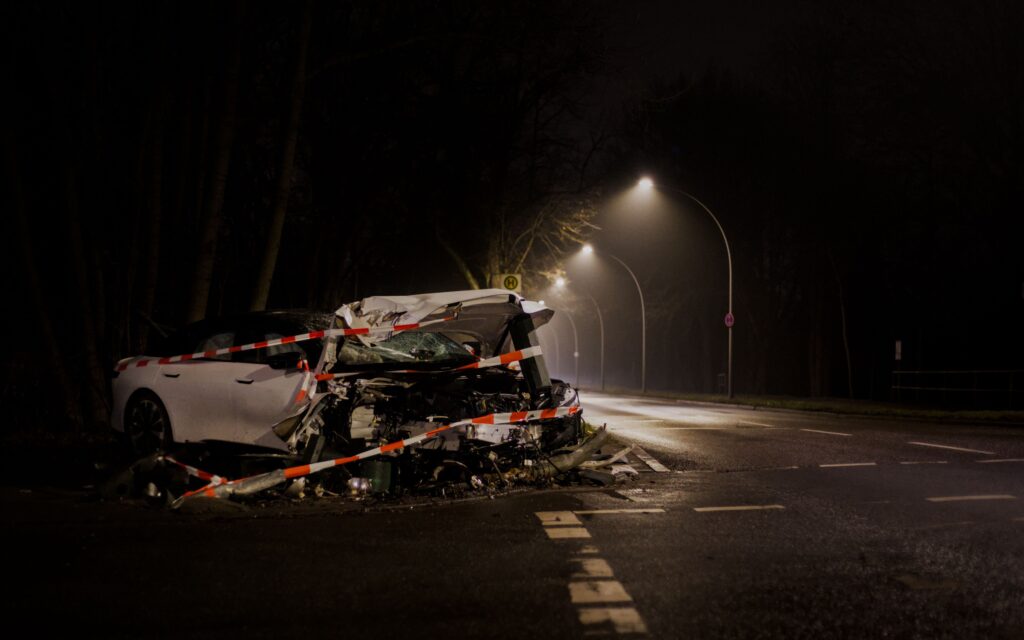
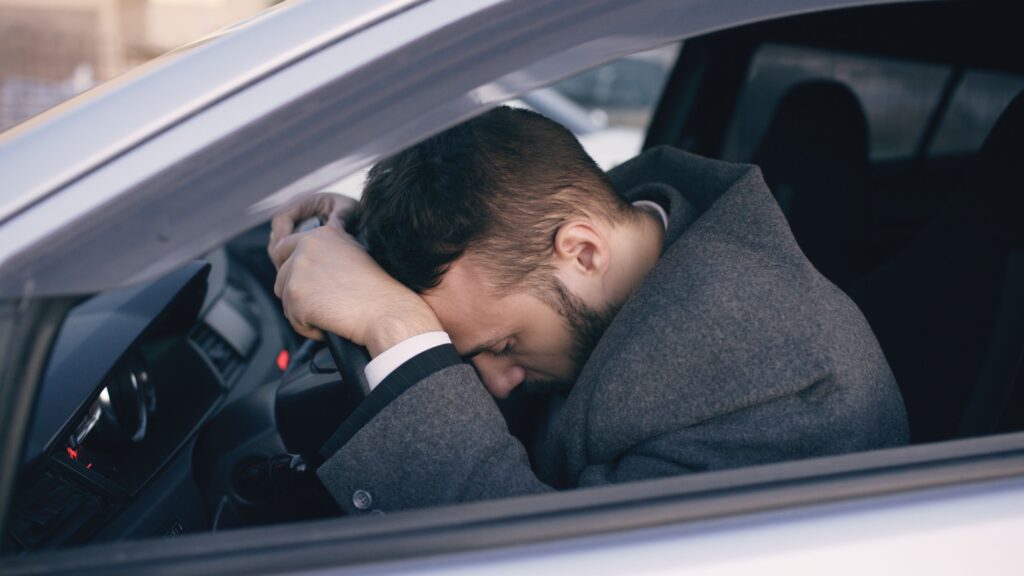
As a South Carolina DUI accident lawyer, Thomas Conits represents clients injured in a wide range of impaired driving crashes.
Head-on crashes caused by impaired drivers often result in catastrophic injuries due to the force of impact.
Alcohol and drugs can slow reaction times, making rear-end collisions more likely in traffic or at intersections.
Drivers under the influence may run red lights or stop signs, causing dangerous side-impact crashes.
Wrong-way crashes frequently occur when impaired drivers enter highways or interstates traveling in the wrong direction.
Drunk drivers often fail to recognize pedestrians, cyclists, and other vulnerable road users until it is too late.
South Carolina drivers have a legal duty to operate their vehicles safely. Driving while impaired is a serious breach of that duty.
As your DUI accident attorney, Thomas investigates every aspect of the crash and gathers evidence that may include:
• Police accident reports
• DUI arrest records
• Breathalyzer or chemical test results
• Surveillance footage
• Witness statements
• Accident reconstruction evidence
• Medical records
• Expert testimony
Evidence showing that the driver was impaired can play a significant role in establishing liability and strengthening your claim.
Every case is unique, but victims of impaired driving accidents may be able to pursue compensation for a variety of losses.
Emergency treatment, surgery, hospitalization, rehabilitation, medication, and ongoing care.
Compensation for missed work, reduced earning capacity, and future income losses.
Compensation for the physical pain and emotional impact caused by serious injuries.
Vehicle repair or replacement costs.
Long-term treatment and future medical support.
In some cases involving particularly reckless conduct, punitive damages may be available under South Carolina law.
Helping accident victims pursue compensation for medical expenses, lost wages, and other damages.

Helping injured workers pursue benefits and protect their legal rights.
Representing families seeking justice after the loss of a loved one caused by negligence.

Call 911, seek medical attention, document the scene if possible, and contact an attorney before discussing the case with insurance companies.
Yes. A criminal DUI charge and a civil injury claim are separate matters. You may still pursue compensation for your injuries.
Insurance companies often work to minimize payouts. An attorney can investigate the crash, gather evidence, negotiate with insurers, and protect your interests throughout the process.
The deadline depends on the circumstances of your case. Speak with an attorney as soon as possible to protect your rights.
You may still have options through uninsured or underinsured motorist coverage and other potential sources of recovery.