
After a pedestrian accident, talk to Thomas. Spartan Law helps injured pedestrians throughout South Carolina pursue compensation after serious vehicle collisions.
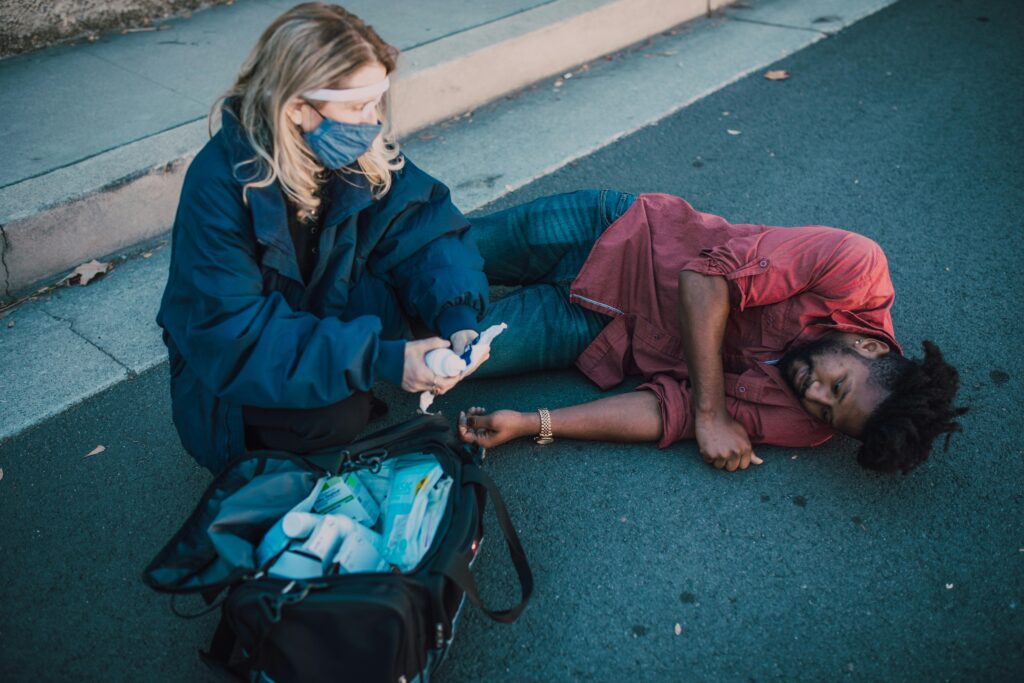
If you are searching for a Pedestrian Accident Lawyer South Carolina victims can trust, you may be dealing with serious injuries, mounting medical bills, lost income, and uncertainty about the future.
When a vehicle strikes a pedestrian, the consequences are often severe. Unlike drivers, pedestrians have little protection against the force of a collision. Even accidents at lower speeds can result in broken bones, traumatic brain injuries, spinal cord injuries, and other life-changing harm.
You do not have to face this alone.
My name is Thomas Spiro Conits, founder of Spartan Law. When you call my office, you’ll speak directly with me, not a call center, case manager, or middleman.
I’ll listen to what happened, explain your legal options, and help you understand what comes next.
You focus on healing. I’ll fight like hell while you recover.
Pedestrian accident claims often involve serious injuries and complicated insurance issues.
Drivers frequently argue that a pedestrian was distracted, outside a crosswalk, or partially responsible for the collision. Insurance companies may use those arguments to reduce compensation.
As a Pedestrian Accident Attorney South Carolina victims can call directly, Thomas helps injured pedestrians pursue compensation and protect their rights under South Carolina law.
Spartan Law represents injured clients throughout:
• Greenville
• Spartanburg
• Columbia
• Charleston
• Rock Hill
• Florence
• Anderson
• Myrtle Beach
• Laurens
• Surrounding South Carolina communities
Many pedestrian accident victims receive treatment at:
• Prisma Health Greenville Memorial
• Spartanburg Regional
• MUSC Health
• Prisma Health Richland
• Grand Strand Medical Center
Pedestrian accidents commonly occur near busy intersections, shopping districts, school zones, and heavily traveled roads such as I-85 access corridors, Woodruff Road, US-29, Highway 501, and other high-traffic areas across South Carolina.

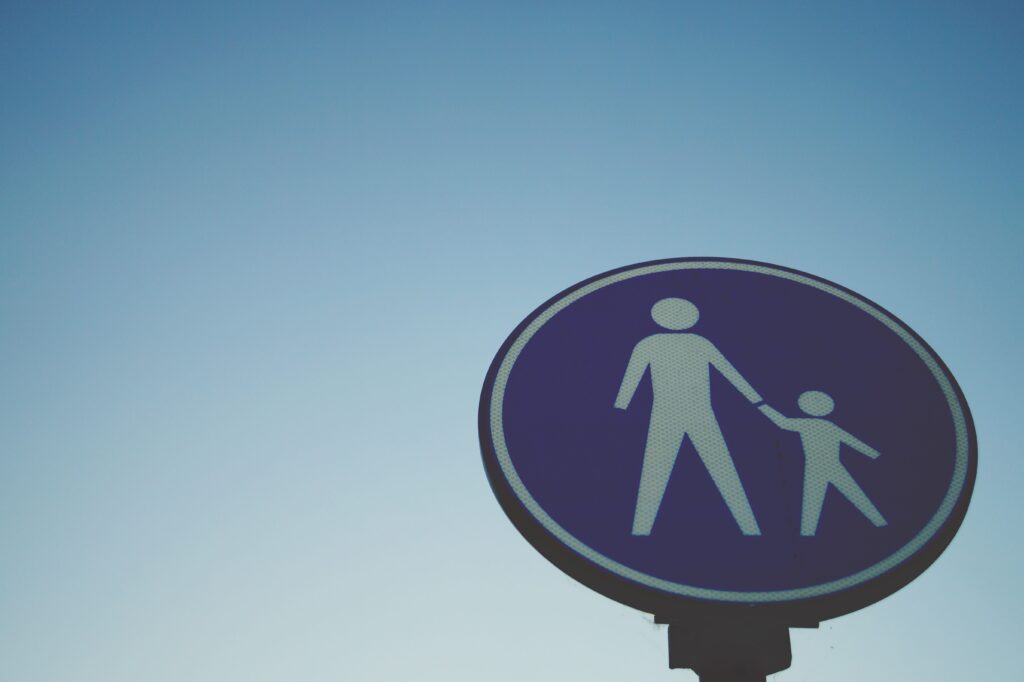
South Carolina law establishes rights and responsibilities for both drivers and pedestrians.
Drivers are generally required to yield to pedestrians in marked crosswalks under certain circumstances.
When sidewalks are available, pedestrians are generally expected to use them.
South Carolina follows comparative negligence rules. In some situations, an injured pedestrian may still recover compensation even if they are found partially responsible for an accident.
Understanding how these laws apply to your situation can be critical when pursuing a pedestrian accident claim.
Many pedestrian accidents are preventable.
Drivers using phones, navigation systems, or other distractions may fail to notice pedestrians in time.
Many collisions occur when drivers ignore crosswalks or fail to yield at intersections.
Higher vehicle speeds significantly increase the severity of pedestrian injuries.
Alcohol and drug impairment continue to contribute to serious pedestrian injuries and fatalities.
Insufficient lighting, bad weather, and nighttime driving conditions can increase risks for pedestrians.
A pedestrian accident claim may seek compensation for both economic and non-economic damages.
• Emergency care
• Hospitalization
• Surgery
• Rehabilitation
• Physical therapy
• Future medical treatment
• Lost income
• Reduced earning capacity
• Pain and suffering
• Long-term disability costs
• Wrongful death damages
A successful pedestrian accident claim often depends on preserving evidence quickly.
Thomas works to gather and analyze:
• Police reports
• Witness statements
• Surveillance footage
• Medical records
• Expert analysis
The goal is to build the strongest possible case while documenting the full impact of your injuries.
Helping accident victims pursue compensation for medical expenses, lost wages, and other damages.

Helping injured workers pursue benefits and protect their legal rights.
Representing families seeking justice after the loss of a loved one caused by negligence.

Seek medical attention immediately, report the incident to law enforcement, document the scene when possible, and speak with an attorney before discussing settlement offers.
Possibly. South Carolina's comparative negligence laws may still allow recovery depending on the circumstances.
Additional insurance coverage options may be available. Thomas can review your situation and explain potential avenues for recovery.
Legal deadlines apply. Speaking with Thomas promptly can help protect your rights and preserve evidence.